


Trusted Sanding and Finishing Experts Helping Freehold Homeowners Restore Worn Hardwood

Supreme Flooring handles hardwood sanding and finishing across Freehold, NJ. This page covers how the finishing process runs, what happens in your rooms during the work, and the finish options available. Written for homeowners with dull, scratched boards worth keeping. Licensed, insured, 1-year workmanship warranty.
Why Do You Need Hardwood Sanding and Finishing?
Hardwood wears through its coating first, then bare wood underneath takes damage directly. Spills soak into the grain, and water rings or pet stains reach a depth sanding cannot reverse. Refinishing while wear sits in the finish restores the original surface. Waiting narrows your options.
Restoring the Natural Beauty of Your Hardwood Floors
We understand the importance of maintaining your hardwood floors in Freehold, NJ. Our sanding finishing services strip old coatings, sand out scratches, and protect the wood with a durable finish. We sand wood in stages, and start sanding with coarse, low grit passes for leveling and material removal, then step up through medium grit sandpaper and fine grit. Open coat abrasive keeps old finish from clogging the paper. Fine sanding is the last step before protective coats, leaving a smooth surface and a stronger finished product.
Our skilled professionals use the right power tools for each stage: a belt sander for heavy material removal, an edger along perimeters, and a gentler orbital sander for finish sanding. Aluminum oxide abrasive covers power sanding and hand work. Light, even pressure prevents dips and holds the same grit pattern across the whole surface. Corners and stair nosings are hand-sanded with sanding blocks, working with the grain.
Hardwood Sanding and Finishing Services in Freehold, NJ
Every hardwood floor gets three stages: strip the old coating, sand the surface smooth, then rebuild protection with durable coats. What changes is the abrasive, the power tools, and the coat schedule, matched to your wood, its condition, and daily foot traffic.
Full Sand & Refinish
Coarse, medium, and fine grit sandpaper passes strip old coating and level scratches out of the wood, followed by protective coats that restore the surface.
Dust-Controlled Sanding
Power sanders run with vacuums attached and plastic barriers seal off work areas, so airborne dust stays down, and the surface stays clean between grits.
Custom Stain Matching
Stain samples go down on your own boards and dry completely in your own light, so you approve the color before the entire surface is committed.
Protective Finish Coats
Oil-based or water-based polyurethane goes on in thin layers with full drying time between each, two to three coats standard and three on high-traffic rooms.
Edge, Corner & Stair Detailing
An edger handles perimeters while corners, stairs, and small areas get sanding blocks by hand, holding the same grit pattern across the whole surface.
Engineered Hardwood Refinishing
We measure the wear layer first, then use an orbital sander and very fine abrasive, or recommend screening and recoating when that layer runs thin.
Why Freehold Homeowners Choose Supreme Flooring
How Our Hardwood Sanding and Finishing Process Works
01
Book Your Free Estimate
Our experts visit your house to measure each room and space, assess your subfloor conditions, and provide detailed recommendations for the best flooring solutions for your specific needs.
02
Floor Assessment & Wear Check
We walk the floors in person, check board condition, measure the wear layer where it matters, and look for deep gouges, soaked-in staining, or cupping that changes the approach. You get a straight read on what sanding will fix and what it will not.
03
Grit Plan & Stain Approval
We lay out the grit sequence, finish type, and coat count for your floors, plus stain options if you want a color change. Samples go down on your own boards, so you approve the shade. You get a written estimate with the scope spelled out.
04
Sanding & Finish Coats
Furniture comes out, barriers go up, and sanding runs in stages with vacuums attached to the power sanders. Corners are hand-sanded. After we wipe the sanded surface clean, the first coat seals the wood and subsequent coats go on thin with full drying time.
05
Cure Check & Walkthrough
We walk the finished floors with you under good light, check the sheen is even and the grain reads clean edge to edge, and go over cure times before furniture returns. The 1-year workmanship warranty covers the finished product from there.
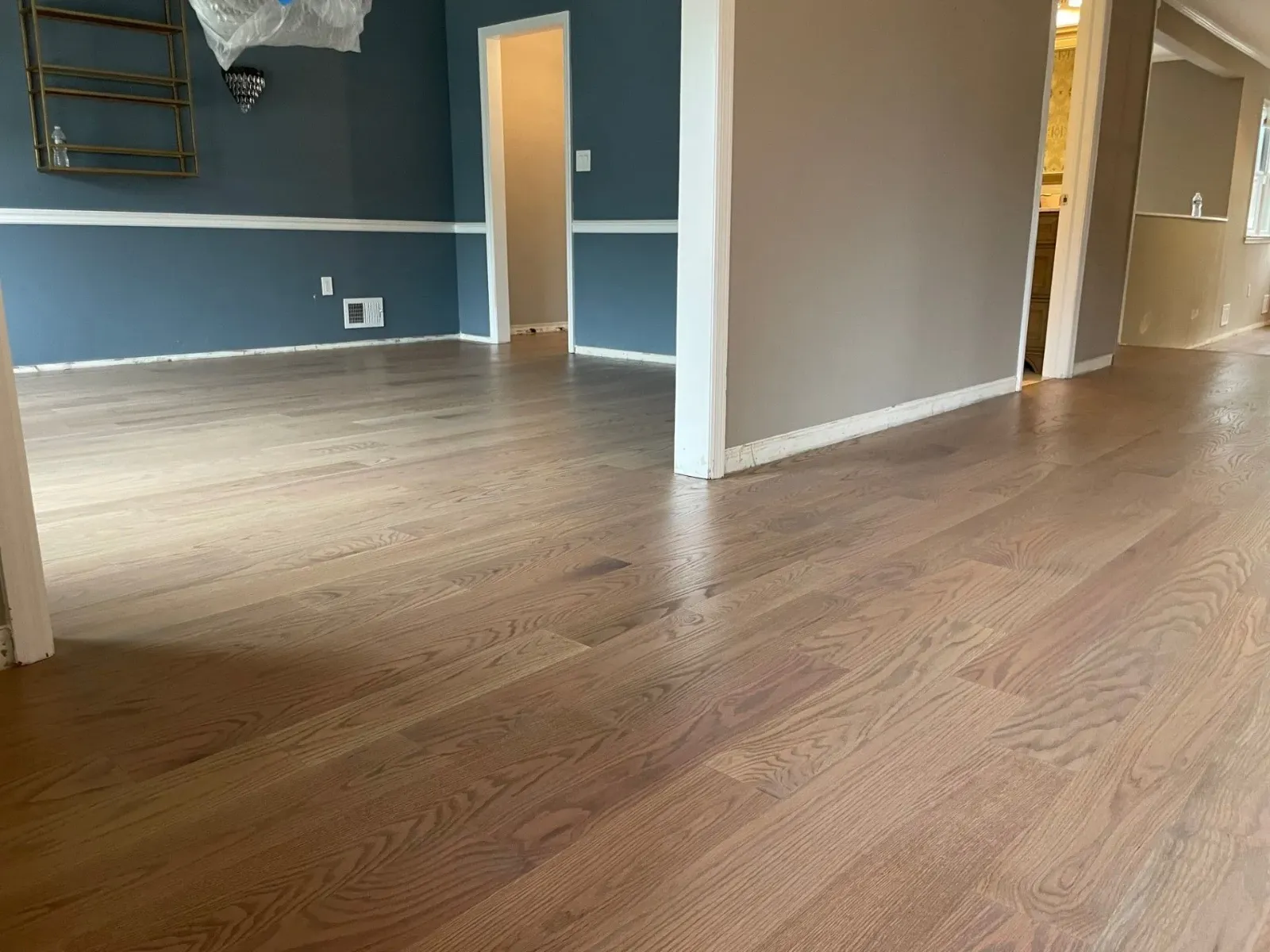
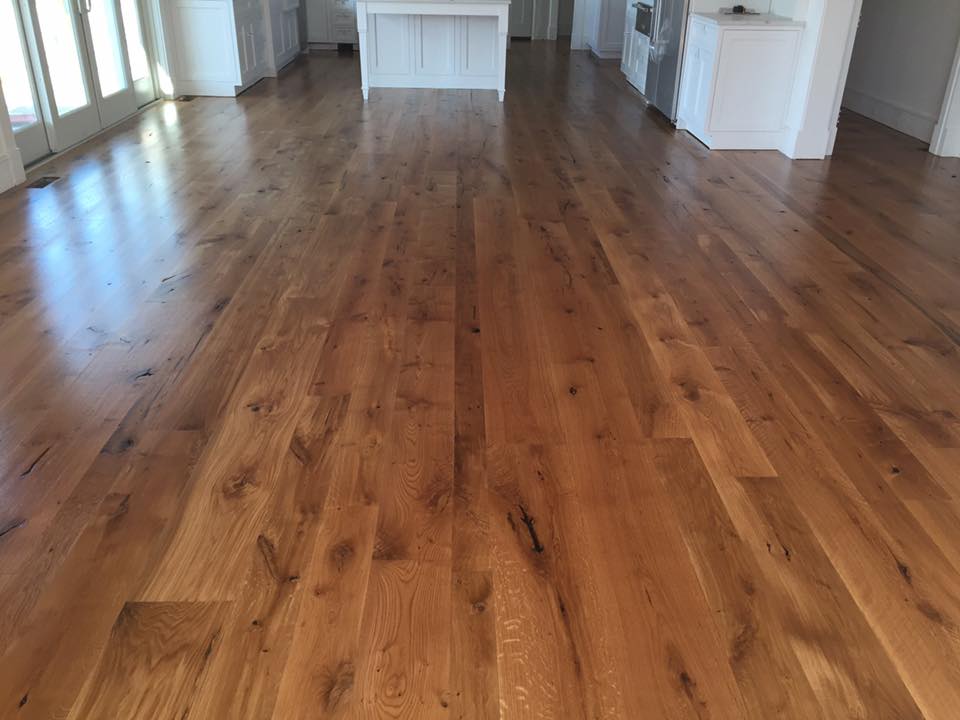
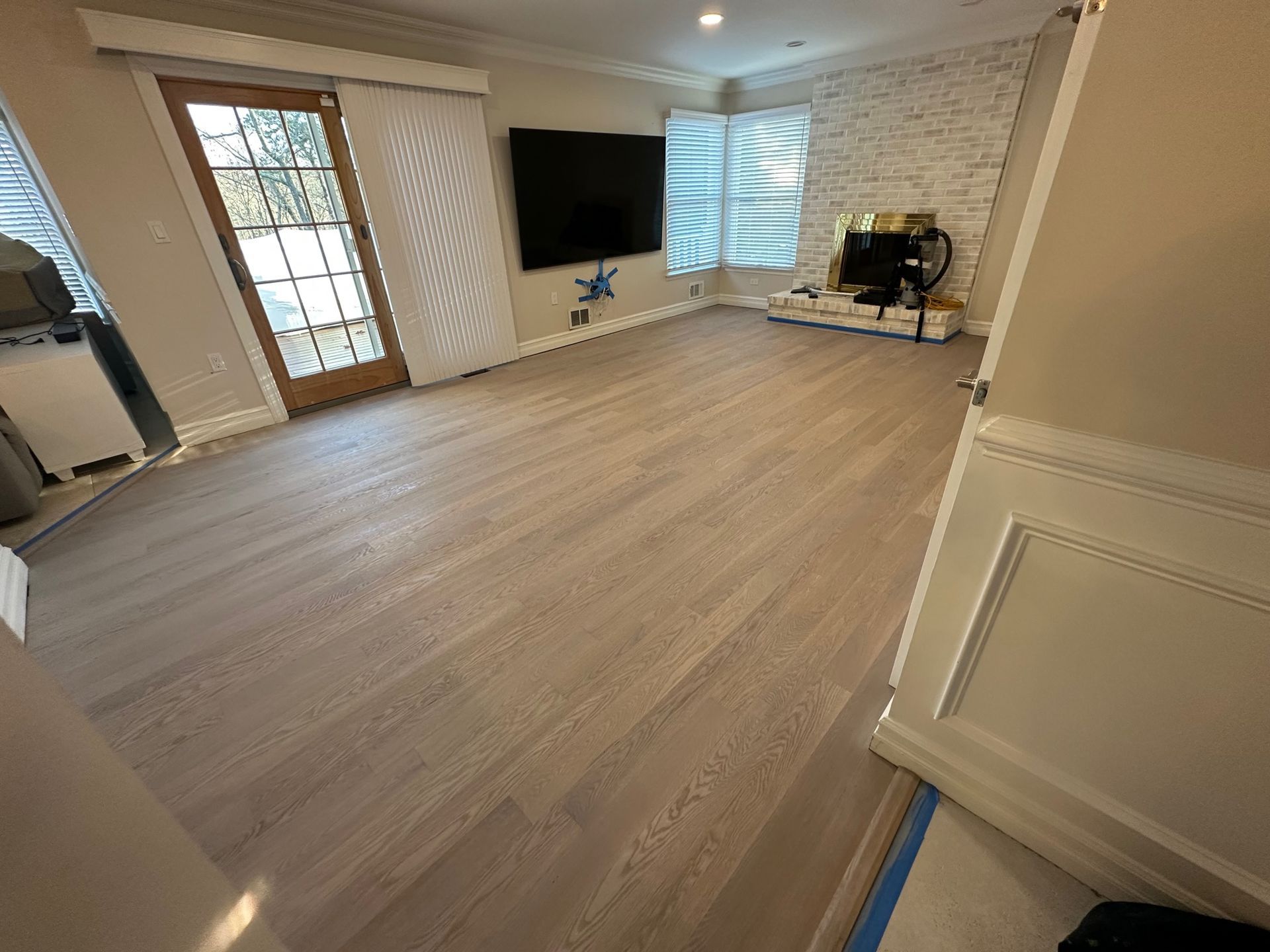
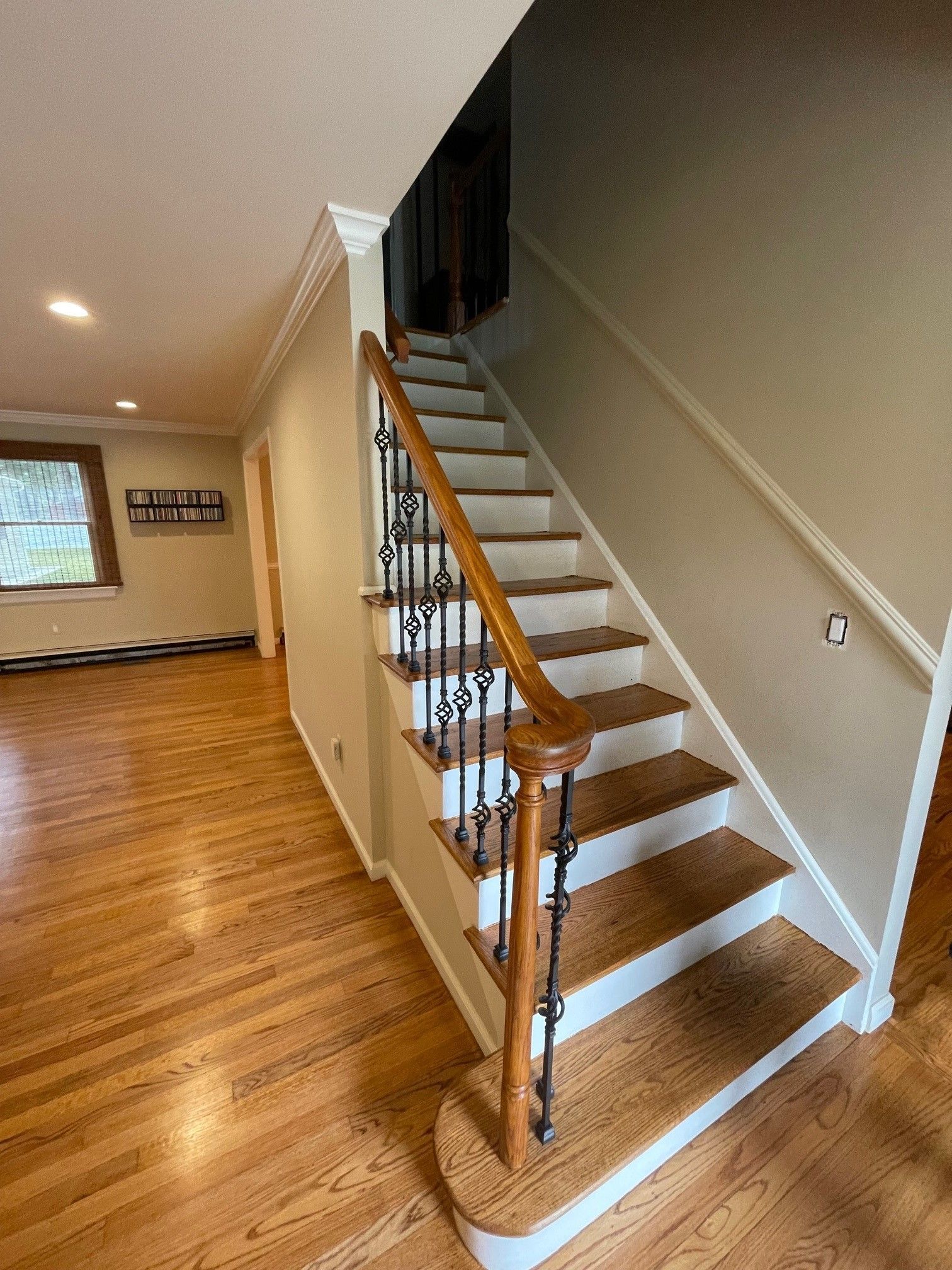
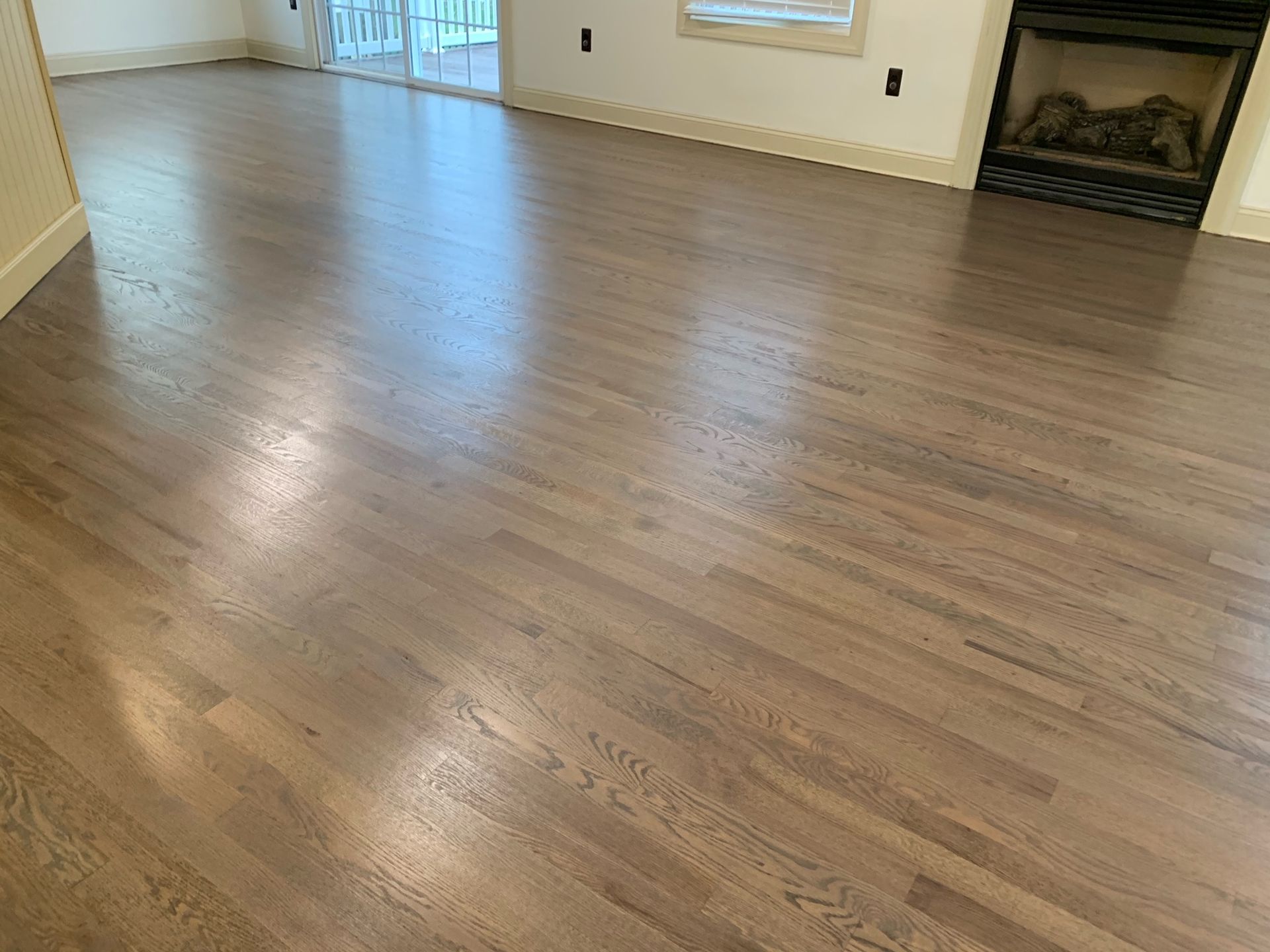
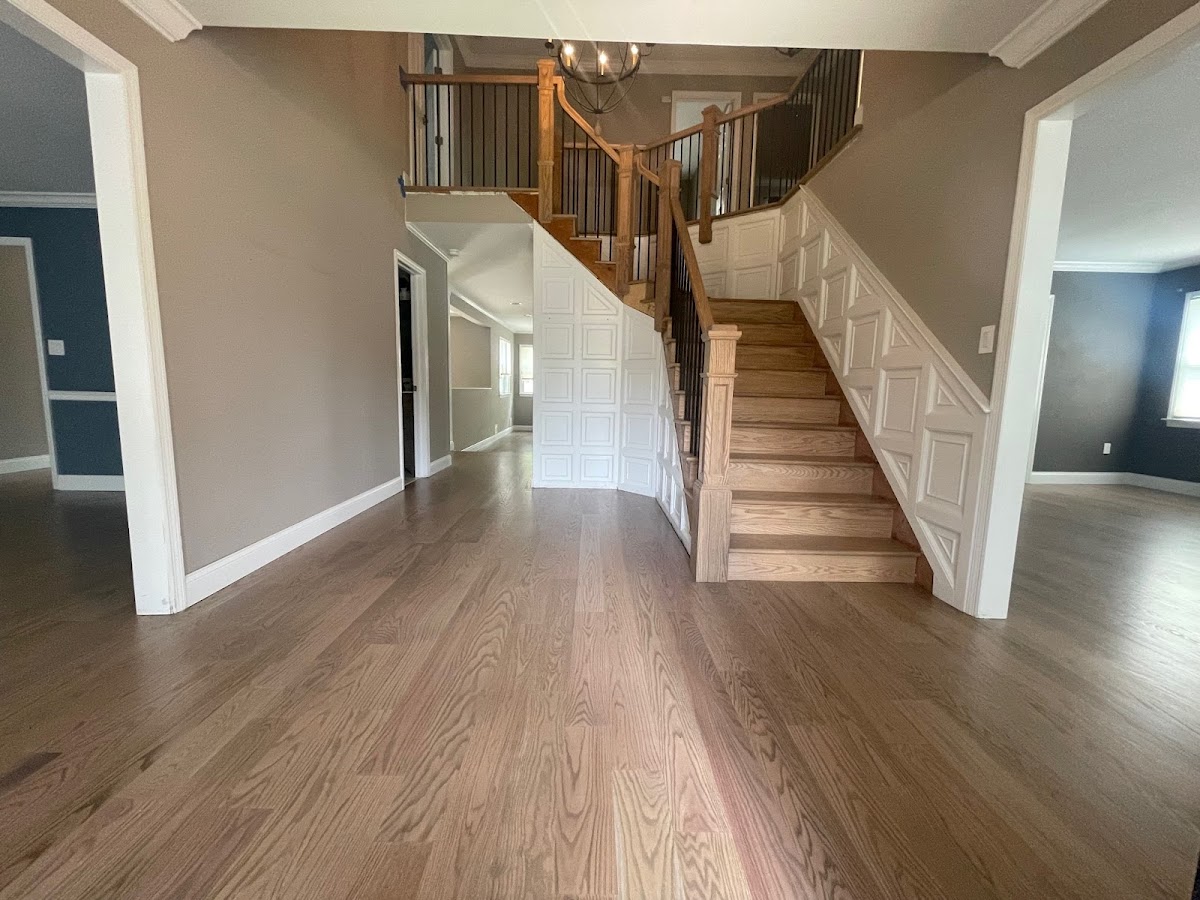
Our Recent Works
What Our Satisfied Customers Say Online
Ready to Bring Your Hardwood Back?

Refinishing keeps the boards already in your home. The sooner a dull, worn surface gets addressed, the more original wood stays in the floor. Book a free estimate, and we will tell you exactly what your floors need, with no obligation to schedule.
HomeAdvisor Screened and Approved


Areas We Serve
Frequently Asked Questions
Our Recent Blogs

Can You Refinish Hand-Scraped Hardwood Floors? Understanding What Makes This Style Different to Restore
Most Durable Flooring for High-Traffic Homes

Hardwood Floor Gaps and Cupping: What’s Causing It and How to Fix It
Restore Your Hardwood Floors in Freehold, NJ
Bring the original wood back with professional sanding and finishing, backed by a 1-year workmanship warranty and a free same-day estimate.